

Which Truck Delivers Smarter Towing Tech around Bossier City, LA — the 2026 Toyota Tundra or the 2026 Chevrolet Silverado 1500?
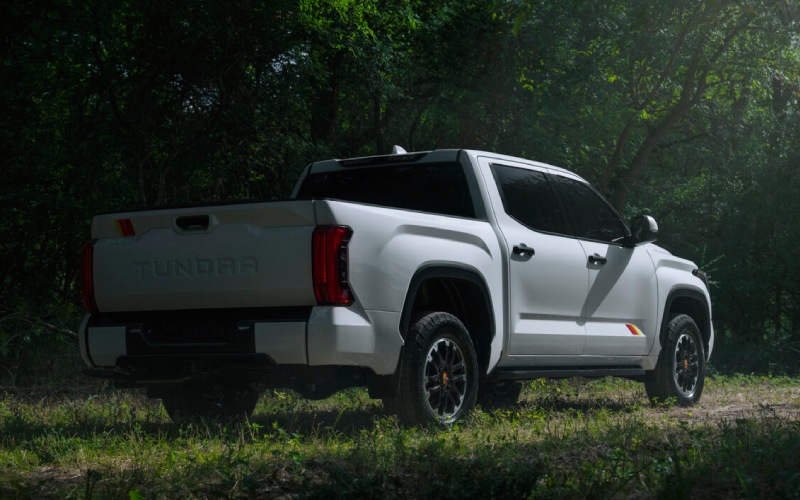
Yokem Toyota – Which Truck Delivers Smarter Towing Tech around Bossier City, LA — the 2026 Toyota Tundra or the 2026 Chevrolet Silverado 1500?
When shoppers ask a simple question—Which truck makes towing feel easier?—they often mean a lot more. They want visibility, stability, and intuitive tech that takes stress out of tight maneuvering. In this deep dive, we compare the towing technology on the 2026 Toyota Tundra and 2026 Chevrolet Silverado 1500 for drivers around Bossier City, LA. Both are serious trucks with the power and poise to handle boats, campers, and equipment trailers, but their approaches to towing tech differ in ways you’ll feel on day one.
Tundra’s emphasis is on clarity and control from the driver’s seat. The available Panoramic View Monitor (PVM) gives you multiple exterior perspectives, including a crisp top-down composite view that makes lining up a hitch precise. Toyota then doubles down with Trailer Backup Guide with Straight Path Assist—technology that helps you maintain a straight trailer line while reversing. For many drivers, that single feature is a game changer when backing into a narrow driveway or slipping a boat into the water on a crooked ramp. It pairs naturally with the available 14-in. touchscreen and 12.3-in. digital gauge cluster, so you can view guides, angles, and camera feeds without juggling menus or losing context. The result is a process that feels repeatable and calm, even if you tow only a few times a month.
How Silverado Approaches Towing Confidence
Chevrolet’s system leans into breadth—up to 14 available camera views and a robust in-vehicle Trailering App that helps you set up custom trailer profiles and run pre-departure checklists. It is a strong toolkit, especially for owners who juggle multiple trailers or want to build out tailored profiles with stored data and reminders. Features like Trailer Side Blind Zone Alert offer added visual security on the highway, and transparent views can make it easier to spot obstacles behind longer trailers. If you prefer to engineer your setup with lots of view options and checklist-driven prep, Silverado’s approach is very appealing.
Still, where Tundra separates itself is in how the technology reduces moments of high-stress steering input. Backing a trailer in a straight line sounds simple until you’re doing it on a narrow driveway with a neighbor watching. Straight Path Assist helps by guiding you to hold a predictable line—cutting down on the see-saw motion that can unsettle new and occasional towers. That single feature shortens the learning curve and builds skill quickly, which matters as much at a busy campground as it does at a lakeside launch on a windy day.
Real-World Touchpoints Drivers Notice
The best towing features are the ones you barely think about because they’re there when needed. Tundra’s user interface is a standout in that respect. The large touchscreen and clear cluster displays put the right tiles and data in front of you without guesswork. Switch to the PVM, verify your angles, and go—it feels natural on day two, not month two. In contrast, Silverado’s advantage is that you can tailor your setup extensively if you like to dial in camera favorites and profile presets. Both styles work; Tundra simply asks less of you in the heat of the moment.
- Camera coverage: Tundra’s available Panoramic View Monitor stacks multiple exterior perspectives; Silverado offers up to 14 camera views for wide-ranging visibility.
- Backing assistance: Tundra’s Trailer Backup Guide with Straight Path Assist helps keep your trailer aligned while reversing; Silverado focuses on guidance lines and camera options rather than automated straight-path assistance.
- Driver display logic: Tundra’s available 14-in. touchscreen and 12.3-in. cluster centralize tools; Silverado’s 13.4-in. display organizes deep feature sets and trailer profiles.
- On-road awareness: Tundra offers Blind Spot Monitor and trailer aids; Silverado adds available Trailer Side Blind Zone Alert and comprehensive trailering app tools.
Power matters, too, because the less effort the truck needs to get moving, the more relaxed you feel while merging or passing with a trailer. Tundra’s available i-FORCE MAX hybrid generates 437 hp and 583 lb.-ft. of torque, delivering a confident surge that pairs well with its Tow/Haul drive logic. Silverado, by contrast, gives you a menu of powertrains, including a 6.2L V8 and a 3.0L Duramax® diesel—great options for specific preferences. The difference is that Tundra’s hybrid offers diesel-like torque without changing fuel types or adopting diesel maintenance patterns, which many owners appreciate when their towing needs vary seasonally.
Which Setup Feels Easier Day to Day?
If you tow frequently and prefer to map out detailed trailer profiles, you will find a lot to like in Silverado’s trailering suite. If you want towing to feel less like a chore—and you value tools that simplify the hardest parts—Tundra’s combination of screen clarity, Straight Path Assist, and cohesive camera logic is tough to beat. Add the stability of Tundra’s multi-link coil-spring rear suspension, and the truck maintains composure over broken pavement that can unsettle traditional leaf-spring setups.
Our take for North Louisiana drivers is straightforward: choose the system that best suits your habits. For many shoppers who only tow on select weekends or during specific seasons, Tundra’s straightforward approach builds confidence faster and keeps the process stress-free. That confidence goes a long way when backing down tight ramps or navigating neighborhood turns with a longer trailer on a busy Saturday morning.
Frequently Asked Questions:
Does Toyota’s Straight Path Assist steer for me when backing a trailer?
It provides guidance to help you maintain a straight line while reversing, reducing the steering corrections you need to make. You remain in control of the vehicle and are responsible for safe operation.
How do the trucks help me line up to the hitch?
Both provide helpful camera views. Tundra’s Panoramic View Monitor and backup camera overlays make it easy to align, while Silverado’s camera suite offers multiple angles, including close-up hitch views and guidance lines.
Which feels more stable over bumps with a trailer attached?
Tundra’s multi-link coil-spring rear suspension is tuned for ride comfort and towing stability, which many drivers find calmer over patchy pavement. Silverado’s setups are capable too, especially on higher-spec towing and off-road configurations.
For shoppers who want practical towing confidence without a steep learning curve, Tundra’s technology suite delivers a smooth, repeatable routine that fits the way many of us actually tow—occasionally, in tight spaces, and often with family watching. If that sounds like your world, Tundra deserves the first test-drive. Yokem Toyota is proudly serving Bossier City, Natchitoches, and Minden, and our team can walk you through camera views, trailer settings, and drive modes to tailor a setup that fits your gear and routes.
Curious how the features work in real time with your boat or utility trailer? Swing by for a hands-on demo, bring your questions, and we will pair you with the right configuration to make tow days feel easy.
0 comment(s) so far on Which Truck Delivers Smarter Towing Tech around Bossier City, LA — the 2026 Toyota Tundra or the 2026 Chevrolet Silverado 1500?